
Neuroplasticity is the brain's remarkable ability to rewire itself by forming new neural connections throughout life, a discovery that has transformed our understanding of learning, memory, and recovery. This biological process, confirmed by decades of research since the late 20th century, means your brain is not hardwired but constantly adapting. It offers genuine hope for stroke survivors, people with brain injuries, and anyone seeking to improve cognitive health as they age.
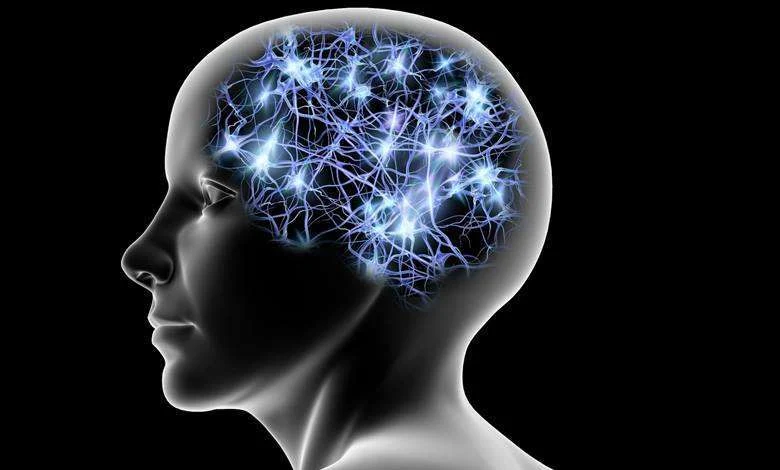
The short version
Neuroplasticity is the brain's lifelong ability to reorganize itself by creating new neural pathways in response to experience, learning, or injury. This means adults can grow new neurons and strengthen existing connections well into old age. It underpins stroke recovery, memory formation, and cognitive resilience. While the brain changes most rapidly in childhood, plasticity continues throughout life, offering a foundation for rehabilitation and mental fitness.
- Neuroplasticity refers to the brain's structural and functional changes in response to experience, a process first described in scientific terms during the mid-20th century.
- Adult neurogenesis, the birth of new neurons, occurs primarily in the hippocampus, a region essential for learning and memory.
- After a stroke, the brain can reorganize healthy tissue to take over functions from damaged areas, a key principle of modern rehabilitation therapy.
- Synaptic plasticity strengthens or weakens connections between neurons, forming the cellular basis of memory formation.
- Focused exercises, like learning a new skill or practicing mindfulness, can measurably alter brain structure and connectivity at any age.
Your Brain Is Never Done Changing
Your brain holds more than 100 billion neurons and trillions of synapses, and it is rewiring itself as you read this sentence. That constant remodeling has a name: neuroplasticity. It is the reason you can learn a new language, recover from an injury, or adapt to a changing world. Without it, none of that would be possible.
The word itself tells you what it means. "Neuro" points to the nervous system, and "plasticity" means flexibility. Put them together, and you get a brain that can reshape its own connections based on experience. Every time you learn something new, neurons forge fresh links between them. The brain physically restructures itself to meet whatever life throws at it.
For most of the 20th century, scientists believed adult brains were fixed, that no new neurons could form after childhood. That dogma held until the late 1990s, when researchers discovered adult neurogenesis, the birth of new neurons, happening in specific regions. The hippocampus, the brain's memory hub, produces new neurons throughout life, and that process contributes to forming memories.
Here is the remarkable part. Just by reading this far, you have already changed your brain. The neurons that fired as you processed these words have strengthened their connections. By the time you finish this article, your brain will be slightly, measurably different than when you started.
How Neuroplasticity Works: Synapses and Memory
The human brain holds more than 100 billion neurons, each one a nerve cell waiting to pass along a message. Between those neurons sit trillions of synapses, the tiny contact points where information actually transfers and gets stored. When you learn something new, your brain physically rewires itself by strengthening some of those connections and pruning away others.
Think of a synapse as a handshake between two neurons. One neuron releases chemical signals across the gap, and the receiving neuron decides whether to pass the message onward. Recent research has confirmed that this synaptic plasticity is the fundamental mechanism behind forming new memories. Every fact you absorb, every face you recognize, every skill you practice leaves a physical trace in the strength of your synaptic connections.
Before birth, your brain's basic structure gets laid down by your genes. But the brain keeps developing through what neuroscientists call developmental plasticity, a process that continues throughout life. This mechanism constantly alters your neuronal and synaptic connections, adding new synapses or eliminating ones you no longer need. If you remember anything from this article later today, that memory exists because specific groups of neurons in your brain formed new connections while you were reading. The change may be small, but it is real, measurable, and happening right now.
Adult Neurogenesis: The Brain Can Grow New Neurons
For most of the 20th century, neuroscientists held a firm line: once your brain reached adulthood, the neurons you had were all you would ever get. That belief collapsed in the late 1990s when researchers proved that new neurons are born throughout life in specific brain regions. The discovery rewired our understanding of neuroplasticity and turned the adult brain into something far more dynamic than anyone had imagined.
The breakthrough centered on the hippocampus, a seahorse-shaped structure deep inside the brain that acts as a kind of memory hub. When new neurons emerge there, the process appears to support memory formation, helping the brain file away fresh experiences. This is not a trick of the lab. Adult hippocampal neurogenesis is now a documented reality in humans, and it has become one of the most studied phenomena in modern neuroscience.
What makes this so remarkable is what it says about the brain's overall character. The organ you carry around is not a finished product. It keeps building, keeps adjusting, keeps adding tiny pieces to itself. Researchers describe this as a form of "microdevelopment," a quiet process of growth that runs alongside the larger "macrodevelopment" that shapes the brain during embryonic and early postnatal life. The two work together, ensuring the brain never truly stops developing.
One popular claim has not held up to scrutiny, though. The original account suggested that new neurons in another brain region might play a role in the sense of smell. Human studies, however, have found no significant adult neurogenesis in the olfactory bulb, the area responsible for processing odors. That link appears to hold true in rodents, but not in people, so the idea that your brain grows new smell-related neurons in adulthood remains unconfirmed at best.
Even with that correction, the core discovery stands. The adult brain grows new neurons, and it does so in the very place where memories take shape. That single fact, unthinkable just a few decades ago, has become a cornerstone of how scientists understand the brain's lifelong capacity for change.
Why the Brain Can Recover From Stroke but Not Alzheimer's
Here's the puzzle at the heart of brain science: a stroke can knock out a chunk of tissue, yet the brain finds a way to reroute and reclaim lost functions, sometimes within hours. But Alzheimer's, Huntington's, and Parkinson's diseases grind the brain down with no such comeback. The difference comes down to one thing: whether the damage outpaces the brain's built-in repair crew.
After a stroke, the brain's ability to reorganize itself kicks into high gear. Studies show that with the right rehabilitation, this rewiring can begin within hours of the event. The brain essentially builds new connections around the damaged area, recruiting healthy neurons to take over jobs that were lost. It's not a perfect restoration, but it's a partial one, and it's real.
Now look at the degenerative diseases. In Alzheimer's, Huntington's, and Parkinson's, toxic processes driven by a mix of genetic and environmental factors simply overwhelm the brain's capacity to fix itself. The damage accumulates faster than any repair mechanism can keep up with. The repair crew gets swamped.
This contrast reveals the hard limits of neuroplasticity. The brain is remarkably flexible, but it's not invincible. When the injury is sudden and localized, like a stroke, the brain can adapt. When the threat is chronic and spreading, like a protein buildup that keeps poisoning neurons, even the most plastic brain in the world can't keep pace.
Yet here's the hopeful twist. Even in brain diseases with a strong genetic component, environmental factors can change the course. Brain stimulation, in particular, can influence how the disease progresses and can even delay it. Keeping the brain active genuinely makes a difference, even when genetics have dealt a difficult hand.
What You Can Do: Lifestyle Choices That Boost Neuroplasticity
Here is the hard truth about your brain: you were dealt a genetic card deck at birth, and you cannot swap those cards. But everything you do from this moment forward shapes how well that deck plays out, because neuroplasticity keeps your brain's renewal capacity alive through daily habits.
Neuroscientists are hard at work developing new treatments that aim to boost neuroplasticity, especially against the rising burden of brain and mind diseases. But while we wait for those breakthroughs, the most powerful tools are already in your hands. Regular physical exercise gets blood flowing to your brain and encourages new connections to form. Mental exercise, whether that is learning a language, playing an instrument, or solving puzzles, keeps those neural pathways active and growing.
Quality sleep matters more than most people realize. During deep sleep, your brain consolidates memories and clears out waste products that accumulate during the day. Healthy nutrition provides the raw materials your neurons need to maintain their connections and build new ones. And social interaction, something that might seem unrelated to brain health, actually stimulates multiple regions of the brain at once, keeping them engaged and flexible.
Consider what happens after a stroke. Research shows the brain can reorganize itself and partially recover lost functions, with rehabilitation potentially starting within hours of the event. That is neuroplasticity in action, the brain rerouting around damaged areas to compensate for what was lost. The same principle applies to your everyday choices. Every time you challenge your mind, get a good night's sleep, or have a meaningful conversation, you are supporting your brain's ability to adapt and renew itself.
In conditions like Alzheimer's, Huntington's, and Parkinson's diseases, toxic processes driven by genetic and environmental factors overwhelm the brain's repair capacity. That is why prevention through lifestyle matters so much. Even in diseases once thought to be purely genetic, stimulating the brain can influence the course of the illness and potentially delay its progression. Working your brain genuinely makes a difference.
Frequently Asked Questions About Neuroplasticity
What is neuroplasticity and why is it important?
Neuroplasticity is the brain's ability to reorganize itself by forming new neural connections throughout life, and it matters because without it, learning, memory, and recovery from injury would be impossible. The term combines "neuro" for the nervous system with "plasticity" for flexibility, describing how the brain reshapes itself in response to experience. Your brain contains more than 100 billion neurons connected by trillions of synapses, the contact points where information transfers between cells. When you learn something new, these connections strengthen, weaken, or form entirely anew.
Can the adult brain grow new neurons?
Yes, the adult brain can grow new neurons in a process called adult neurogenesis, which occurs in the hippocampus, a region deeply involved in memory formation. For most of the 20th century, scientists believed adult mammalian brains could not produce new neurons at all. That dogma held until the late 1990s, when research revealed that specific brain areas continue generating neurons throughout life. This discovery transformed our understanding of the brain as far more dynamic and self-renewing than previously imagined. Contrary to what some older textbooks claimed, however, human studies have found no significant new neuron production in the olfactory bulb, the region tied to our sense of smell.
How does neuroplasticity help after a stroke?
After a stroke, neuroplasticity allows the brain to reorganize itself and partially recover lost functions, with appropriate rehabilitation potentially beginning within hours of the event. When one area suffers damage, the brain can forge new connections and reroute signals through healthy regions to compensate. Research shows this rewiring can restore specific abilities, though recovery often requires targeted therapy to guide the process. Traumatic brain injuries similarly benefit from this capacity, as the brain finds alternative pathways to accomplish tasks that damaged regions once handled.
Why can't the brain repair itself in Alzheimer's disease?
In Alzheimer's, Huntington's, and Parkinson's diseases, toxic processes triggered by genetic and environmental factors overwhelm the brain's natural repair capacity, preventing neuroplasticity from keeping pace with damage. Unlike stroke, where damage is localized and the brain can reroute around it, these neurodegenerative conditions involve widespread, progressive harm. The accumulation of toxic proteins and cellular dysfunction outpaces any compensatory rewiring the brain attempts. Even so, environmental stimulation can influence disease progression, meaning keeping the brain active genuinely makes a difference in how these conditions unfold.
Editor's note: Some aspects of neuroplasticity, particularly the extent of adult neurogenesis in humans, remain under active investigation, and findings that are not yet fully confirmed are presented as such.
What are your thoughts on this topic?
Every article is an open conversation. Whether you have a counter-argument, a local example, or a different perspective based on your own experience, your contribution makes this space better.
0 Comments