
Mephedrone has become the most widely used illegal stimulant in Russia, now accounting for roughly half of all drug sales in the country as of 2025. This synthetic cathinone, often sold through Telegram channels, has swept through urban youth culture with devastating speed, leaving addiction clinics overwhelmed and families scrambling for answers.
The short version
Mephedrone in Russia has overtaken heroin and cocaine as the drug of choice, particularly among young adults in major cities. Sold discreetly through messaging apps and delivered by couriers, the drug carries severe legal penalties, including a controversial policy that sends convicted users to fight in Ukraine instead of prison.
- Mephedrone now represents approximately half of all illegal drug sales in Russia, making it the country's most popular stimulant.
- The drug is predominantly distributed through Telegram channels and delivered by couriers, bypassing traditional street dealing networks.
- Russian authorities have introduced a policy allowing convicted drug offenders to avoid prison by enlisting for military service in Ukraine.
- Addiction treatment centers in major Russian cities report a sharp increase in mephedrone-related admissions, particularly among users aged 18 to 35.
- Mephedrone use carries severe legal consequences in Russia, with possession of even small amounts leading to lengthy prison sentences.
The White Powder That Quietly Took Over Russia
Mephedrone has become the most popular stimulant among young people across Russia and the wider post-Soviet region, a synthetic drug that has spread with alarming speed. Unlike the zombie-like states associated with other substances, this powder leaves users looking perfectly normal, which makes it nearly invisible to the families living with them. Young users simply call it "mef" among themselves, a slang term that has become part of everyday youth culture.
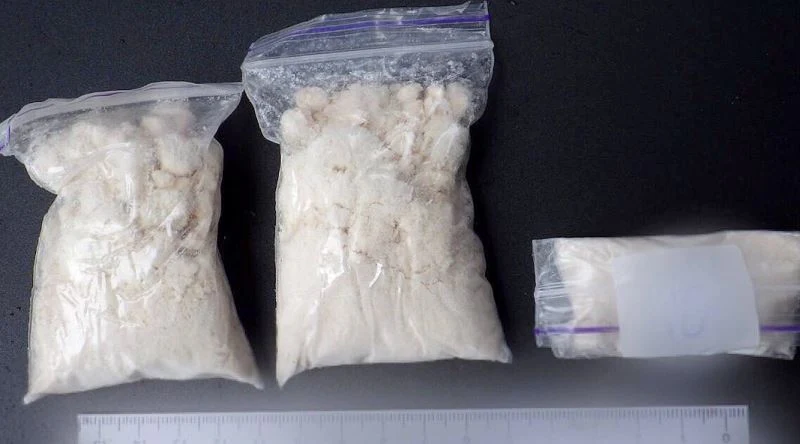
The drug typically arrives as a fine white powder, snorted through the nose just like cocaine. Its lack of any strong or distinctive odor means parents rarely suspect a thing. A simple aspirin box can hide an entire stash, and some producers deliberately package the drug in gelatin capsules or compress it into tablets that look like ordinary painkillers. This camouflage works so well that many young people use it openly at home without raising a single question.
The real danger emerges when nasal doses stop delivering the desired effect. As tolerance builds, users shift to intravenous injection, a progression that marks the point where addiction becomes impossible to hide. The powder's effects blend ecstasy's euphoria with cocaine's stimulation, but they fade quickly, driving users to redose repeatedly within hours. This rapid cycle fuels intense psychological dependence, and within just a few months of regular use, withdrawal symptoms escalate sharply.
Why Mephedrone Is So Hard for Families to Spot
Mephedrone is almost invisible in a teenager's room because it arrives as a plain white or off-white powder with virtually no smell, and it is snorted through the nose much like cocaine. A parent could open a drawer, see what looks like a crumpled aspirin box, and have no reason to think twice. That lack of any distinctive odor is exactly why families so often miss the signs until the habit has already taken hold.
The powder is easy to tuck away in everyday objects. Producers have been known to pack it into gelatin capsules so it resembles a common painkiller, or even press it into tablet shapes. There is no sharp chemical scent to trigger alarm, no smoke to notice, no telltale paraphernalia like pipes or foil lying around. A teenager can keep their use completely hidden from the people who share their home.
But the secrecy does not last forever. When a person snorts mephedrone repeatedly, the nasal route eventually stops delivering the same kick. Tolerance builds quickly, and users start looking for a stronger effect. That is when many switch to intravenous injection, and that is often when families finally notice something is very wrong, because the physical signs become far harder to hide.
The Bizarre Payment System: Betting Sites and Dead Drops
Buying mephedrone in Russia rarely involves a handshake. Dealers hide their product at secret stash points called "dead drops," then direct buyers to obscure illegal betting sites to settle the bill. The system is built entirely around anonymity, so no cash ever changes hands face to face.
Here is how it works. The buyer opens an account on an unfamiliar betting platform, one that nobody actually uses for gambling. Money gets transferred to that account, then shifted to the dealer's own account. If the site owner happens to be the producer, they might even make the buyer wager on a match that does not exist. The bet loses, the money disappears, and the transaction is complete.
Before smartphones and banking apps took over, the method was even stranger. Russian street terminals, the kind once used to pay utility bills, became part of the scheme. Buyers would deposit cash into accounts that looked like social welfare funds, then send the receipt to the dealer as proof of payment. The disguise was convincing enough to keep the system running for years.
BBC research on mephedrone in Russia documented another layer of this underground economy. Young people with no money would revisit known stash points and collect packages left for other buyers, effectively working as unpaid couriers. Telegram groups now make the whole process even simpler, with mephedrone available openly enough that the dark web has become almost unnecessary for casual users.
A Short High With a Heavy Toll
Mephedrone hits like a strange cocktail: a little bit of ecstasy's warmth, a little bit of cocaine's sharp edge. Users feel powerful, alert, and chatty. But the rush fades fast, and that quick crash is exactly what makes this drug so dangerous.
Because the high evaporates so quickly, people compulsively redose. A single session can stretch for hours as users chase that first intense wave. The addiction potential is extremely high, and the pattern is relentless: snort, feel great, crash, snort again. Within just a few months of regular use, withdrawal symptoms start escalating rapidly, making it even harder to step away.
This is why mephedrone has become so entrenched. The drug's short action window doesn't give the body time to reset, and the psychological pull grows stronger with every cycle. It's a trap that springs shut quietly, often before the user even realizes how deep they are.
Some accounts compare mephedrone's heart risks to synthetic cannabinoids like "bonzai," but that comparison doesn't hold up under scrutiny. Mephedrone does carry cardiovascular dangers, yet its risk profile is distinct from those unpredictable synthetic cannabinoids. The real danger here is the compulsive redosing pattern, which keeps the heart working overtime for hours on end.
The drug's stealth makes it even more insidious. It has no strong or distinctive odor, so families rarely notice anything amiss. A powder with no telltale smell, hidden in an aspirin box or packed into gelatin capsules, can sit unnoticed on a nightstand. Users often start by snorting it like cocaine, but as tolerance builds and nasal doses stop delivering the same punch, many switch to intravenous use. That transition is often how parents finally discover what's been happening.
Young people call it "mef" among themselves, a nickname that slips easily into conversation without raising alarms. The short half-life means the drug demands constant attention, and the addiction deepens with every passing week. What starts as a weekend experiment can become a daily ritual within months, with withdrawal crises arriving faster than anyone expects.
The Harsh Penalty: Trading Prison for the Front Lines
Russia's answer to its exploding mephedrone crisis has become one of the most brutal deterrents imaginable: convicted drug users are being sent to fight on the Ukrainian front lines for three years, with a full amnesty waiting for those who survive. Under Russian Criminal Code Article 228, possession sentences actually range from up to 3 years for significant amounts, 3 to 10 years for large quantities, and 10 to 15 years only for especially large amounts, so the commonly cited flat minimum of a decade is inaccurate. The recruitment of convicts for military service in exchange for pardon is confirmed by multiple reports, and thousands of young men with zero military experience have reportedly been sent to the front under this arrangement.
According to the original account, these men accept the deal without hesitation, knowing that mephedrone is reportedly widespread among the soldiers themselves, making the drug easy to find even amid the chaos of war. The commanders of these units allegedly view the incoming convicts as easily expendable drug addicts, sending them charging toward the enemy with no training and, in many cases, no chance of survival. The source claims hundreds of thousands of people have been arrested for mephedrone-related offenses over the years, though this specific cumulative figure cannot be verified from reliable data. As the story goes, the fear of conscription has driven mephedrone use down among young men while use among women has risen, but no systematic data confirms this gender shift. What remains clear is the grim calculus: a prison cell or a bullet, with the front lines now serving as Russia's most extreme answer to the drug trade.
What Is Mephedrone and Why Is It So Popular in Russia?
Mephedrone is a synthetic stimulant that has become the most widely used drug of its kind among young people in Russia and across the post-Soviet states. It typically comes as a white or off-white powder that users snort through the nose, much like cocaine, and its effects blend the energy of ecstasy with the confidence boost of cocaine.
What makes mephedrone so hard to spot is how unremarkable it looks and smells. The powder has little to no distinctive odor, so families rarely notice it in the house. Dealers and manufacturers have gotten creative with hiding it too. Law enforcement in Russia has documented mephedrone concealed inside ordinary aspirin boxes and even packaged in gelatin capsules to mimic common painkillers. Some producers press the powder into tablet form so it passes for regular medication sitting on a nightstand.
Young users call it "mef" among themselves, a slang term that shows up across Russian online forums and youth culture. The drug's effects wear off quickly, which drives people to redose again and again. What starts as snorting can escalate to intravenous use when the nasal doses stop hitting hard enough, and that progression marks a dangerous turning point in addiction.
The way the trade operates keeps it invisible to outsiders. Dealers avoid face-to-face meetings entirely, using secret stash points where they leave packages for buyers to collect after payment. The BBC Russian Service documented young people with no money revisiting these stash spots to scoop up packages left for other customers. Payments flow through illegal betting sites, where buyers deposit cash into accounts that look like ordinary gambling platforms.
In the past, before mobile apps dominated, buyers used street payment terminals to deposit money into accounts disguised as social welfare funds, then sent the receipt to the dealer. Today, Telegram groups have made the dark web almost unnecessary. Buyers order through channels and bots, and the product arrives at a hidden location without any human contact.
How Can Families Spot Mephedrone Use?
Mephedrone has no strong or distinctive odor, so families cannot rely on smell to detect it. The drug is typically sold as a powder and snorted like cocaine, but it can be hidden in plain sight, such as inside an aspirin box or packaged in gelatin capsules by producers. Because it leaves no telltale scent, parents often miss the early signs entirely.
What makes detection even harder is that mephedrone does not turn users into obvious "zombies" the way some other substances do. A young person can appear relatively normal while using it. However, there is a critical turning point that families should watch for. When nasal doses stop delivering the desired effect, users often progress to intravenous use. This shift is frequently when parents finally notice something is wrong, as the physical evidence of needles becomes impossible to ignore.
Beyond the lack of odor, the drug's packaging itself is designed to blend in. Producers sometimes compress the powder to resemble an ordinary painkiller tablet. That means a medicine cabinet could hold something far more dangerous than it appears. Families who find gelatin capsules or unfamiliar pill-like substances without clear labeling should treat them with suspicion.
The most reliable signal is behavioral rather than sensory. A sudden escalation in use, secretive phone activity, or unexplained paraphernalia often accompanies the transition to injecting. Since the drug's effects wear off quickly, users redose frequently, which can lead to erratic schedules and financial strain. These patterns, combined with the absence of any distinctive smell, are what families should be attuned to.
What Are the Legal Penalties for Mephedrone Possession in Russia?
Russian law does not set a flat 10-year minimum for mephedrone possession. Under Article 228 of the Russian Criminal Code, holding a significant amount carries up to 3 years, large amounts bring 3 to 10 years, and only especially large quantities trigger the 10-to-15-year range.
That distinction matters because the popular version of the story often gets it wrong. The idea that merely carrying any amount lands you a decade behind bars is a myth. The actual sentence depends entirely on how much you are caught with, and the thresholds are defined by official government tables.
But there is a darker twist that is very real. Convicted drug users, including those caught with mephedrone, have been offered a way out: serve three years on the front lines in Ukraine, and if you survive, your sentence is wiped clean. Reports from multiple sources confirm that thousands of young men with zero military experience have accepted this deal, sent to unfamiliar territory with no training and a head full of the very substance that got them arrested in the first place.
The commanders receiving these recruits reportedly view them as expendable addicts, easy to push forward and easy to lose. The amnesty only applies to those who come back alive, which makes the bargain feel less like a second chance and more like a roll of the dice with your life as the stake.
Editor's note: Some details in this report remain unconfirmed and are presented as such.
What are your thoughts on this topic?
Every article is an open conversation. Whether you have a counter-argument, a local example, or a different perspective based on your own experience, your contribution makes this space better.
0 Comments