
In 75 BC, a 25-year-old Julius Caesar was kidnapped by Cilician pirates near the island of Pharmacusa off the coast of Asia Minor, and the Julius Caesar pirate kidnapping became one of the most audacious ransom stories of the ancient world. He was seized while traveling to Rhodes to study oratory, and instead of begging for his life, he reportedly laughed at the pirates' initial demand, insisted they raise his ransom to 50 talents of silver, and then swore he would hunt them down and crucify them, a promise he kept to the letter. The sheer audacity of a young, unknown Roman noble bargaining with hardened sea raiders captures the imagination even two thousand years later.
The short version
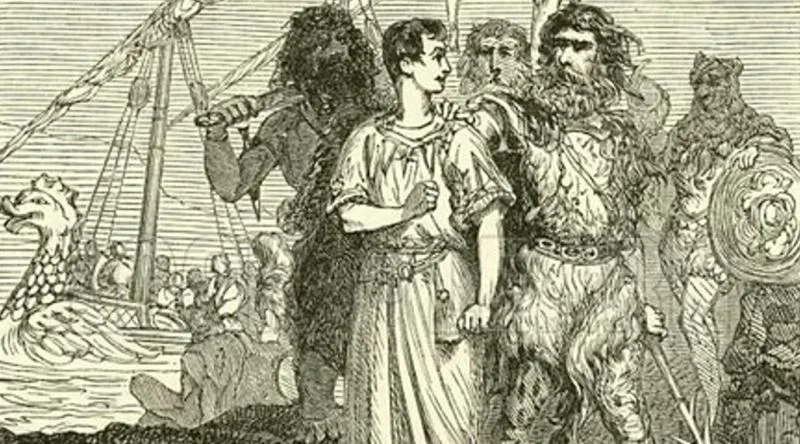
In 75 BC, Cilician pirates captured Julius Caesar near the island of Pharmacusa while he traveled to Rhodes. He negotiated his own ransom up to 50 talents of silver, was released after about 38 days, and immediately raised a fleet to capture and execute his captors, fulfilling his threat.
- Caesar was about 25 years old when Cilician pirates seized his ship near Pharmacusa in 75 BC.
- The pirates initially demanded 20 talents, but Caesar insisted they ask for 50 talents of silver instead.
- He spent roughly 38 days in captivity, reportedly joking with his captors and reciting poetry to them.
- After his release, Caesar raised a fleet, captured the pirates, and had them crucified in Pergamon.
- The incident occurred off the coast of Asia Minor, in waters patrolled by Cilician pirates based around Cilicia and Adana.
The Day a 25-Year-Old Caesar Fell into Pirate Hands
Around 75 BCE, a young Roman aristocrat named Julius Caesar was sailing toward the island of Rhodes when Cilician pirates seized his ship. He was roughly 25 years old at the time, though some accounts place him at 26. The kidnappers had no idea they had just grabbed one of the most dangerous men in the Mediterranean.
The Cilician pirates operated along the southern coast of modern-day Turkey, terrorizing the sea lanes with the kind of brutal efficiency that made merchants dread every voyage. When they realized their captive came from a prominent Roman family, they set a ransom of 20 talents of silver. Caesar laughed at the figure. According to the ancient historians Plutarch and Suetonius, he insisted he was worth far more and demanded they raise it to 50 talents. The pirates, amused by their prisoner's audacity, agreed.
For the next 38 to 40 days, Caesar lived among his captors. He was not yet the towering figure history remembers, but he had already served as a military tribune and quaestor, so he was no ordinary soldier. The pirates reportedly treated him with a strange mix of contempt and grudging respect, and Caesar made no secret of his contempt for them. He joked, wrote poetry, and even joined their exercise routines. He also warned them, plainly, that once he was free he would come back and crucify every last one of them. They laughed at the threat from their pampered hostage.
The ransom money did not come from Caesar's family, contrary to what many versions of the story claim. Instead, it was collected from allied cities in the region, a detail recorded by both Plutarch and Suetonius. Once the silver was paid and Caesar was released, he did exactly what he had promised. He raised a small fleet, hunted down the pirates, and captured them. Then he had their throats cut before nailing their bodies to crosses, a mercy he granted because they had treated him reasonably well during his captivity.
At the time of the kidnapping, Caesar was a promising but relatively unknown patrician. His rise to consul, his conquest of Gaul, and his transformation into the most powerful man in Rome all lay ahead of him. The pirates who grabbed him could not have known they were holding the future dictator of the Roman world, and they paid for that mistake with their lives.
The Ransom Hustle: Why Caesar Talked His Way Up to 50 Talents
The pirates named their price first: 20 talents of silver, a tidy fortune in 75 BCE. Julius Caesar, held captive on a small Aegean island, laughed at the figure and told them they clearly had no idea who they had grabbed. He insisted they demand 50 talents instead, and the story goes they agreed, likely amused by the sheer nerve of their prisoner.
Plutarch and Suetonius, the two Roman historians who recorded the episode, both agree on this detail. The initial offer of 20 talents was rejected by Caesar himself, who argued his worth was far higher. A talent was a hefty unit of weight, though ancient standards varied, with the Attic talent weighing closer to 25.8 kilograms. Whatever the exact measure, the pirates accepted the upgraded ransom, reportedly entertained by his audacity.
During those roughly 38 to 40 days in captivity, Caesar did not behave like a hostage. According to the original account, he joined the pirates' exercise routines, demanded silence when he wanted to sleep, and even wrote poems and speeches that he insisted they listen to. He joked that once freed, he would come back and crucify them all, a threat they treated as a joke. They stopped laughing soon enough, but that part comes later.
Life in the Cave: The Pirates' Unlikely Houseguest
Around 75 BCE, a young Julius Caesar found himself snatched from the waters near the coast of Cilicia, a region in the eastern Mediterranean notorious for piracy, and thrust into an unexpected daily rhythm with his captors. The exact hideout remains a mystery, though the pirates likely held him on a small island or a remote coastal hideout somewhere along that rugged shoreline. What is certain is that the future conqueror of Gaul spent somewhere between 38 and 40 days in their company, and the stories of how he passed that time have grown curiouser with each telling.
One popular version insists that a historian named Agrilionlu Lucius chronicled the young Roman's days, describing how he swept the cave floor, helped with cooking, and even joined the pirates in stretching exercises to keep fit. There is just one problem: no historian by that name exists in any known ancient record, so that cozy picture of Caesar as the pirates' obliging houseguest is pure invention. The reality, according to Plutarch and Suetonius, was far more in character. The pirates named their ransom at 20 talents of silver, and Caesar reportedly laughed at them, insisting he was worth at least 50 talents. He was not bargaining for his freedom so much as his dignity, and he made sure the pirates understood exactly who they had grabbed.
The Reckoning: Caesar's Promise and the Crucifixion
The moment the ransom was paid and the ship carrying Julius Caesar pulled away from that Cilician shore, the pirates probably breathed easy. They had no idea that the 25-year-old patrician they had just released was already plotting their end. Caesar had looked them in the eye during his captivity and promised he would come back, hang every single one of them, and he meant every word.
True to that threat, Caesar did not sail on to Rhodes to finish his studies. Instead, he raised a fleet, hunted down the pirates who had held him for roughly 38 days, and captured them without much trouble. The men who had laughed at their prisoner's bold talk were now sitting in chains, waiting to see what the young Roman would actually do to them.
What he did was both brutal and, in a strange way, merciful. Caesar ordered the pirates crucified, just as he had promised while still their captive. But before the crosses went up, he gave one final order: their throats were cut first. The gesture shortened their suffering, a small kindness layered on top of an execution. Ancient sources record this detail, noting that even in revenge, Caesar calculated his moves with cold precision.
This episode, which took place around 75 BCE, stands as one of the earliest demonstrations of Caesar's relentless determination. He was not yet the famous general who would conquer Gaul or cross the Rubicon. He was a young man with a bruised ego and a promise to keep, and he kept it without hesitation. The message was clear: threaten Julius Caesar, and you will pay for it.
One thing worth clearing up, though. The popular version of this story sometimes jokes that those Cilician pirates were the ancestors of modern residents of Adana, the Turkish city near that stretch of Mediterranean coast. That is pure humor, not history. There is no evidence linking the ancient pirates to any modern population, and the joke does not hold up to scrutiny. The real legacy of that kidnapping is not genetic; it is the portrait it paints of a young man who treated every insult as a debt to be collected.
What This Kidnapping Says About the Man Who Would Be Dictator
The man the Cilician pirates snatched off the Aegean in roughly 75 BCE was not yet the conqueror of Gaul or the future dictator of Rome. He was a rising patrician in his mid-20s, a man with a famous name but no army at his back. The kidnapping happened years before his first major command, before the Senate knew to fear him, and before the word "Caesar" meant anything to anyone outside Rome's inner circles.
And that is precisely what makes the story so telling. The same arrogance that would later carry him across the Rubicon was already fully formed on that pirate ship. He treated his captors not as masters but as an audience. He wrote poetry and speeches during his captivity and recited them to the pirates, mocking their taste when they failed to applaud loudly enough. He joked that he would have them all crucified, and according to Plutarch and Suetonius, he laughed at their amusement. They thought he was being charming. He was being honest.
After roughly 38 days in their hands, the ransom he had insisted on raising from 20 talents to 50 talents was paid. Contrary to the popular version, it was not his family who produced the silver. The funds came from allied cities in the region, raised while Caesar waited among the pirates. As soon as he was free, he moved with the speed of a man who had been counting the days. He raised a small fleet, captured the pirates who had held him, and had them crucified. True to his word, he cut their throats first to spare them the slow death of the cross. It was a small mercy, and a very Roman one.
What followed was not an immediate leap to power. Caesar took a post as quaestor in Spain, a mid-level administrative and financial role that was a standard step on the senatorial career ladder. From there he entered the political arena, eventually winning the consulship and then launching the Gallic Wars that would make his name immortal. The kidnapping, in other words, was not the beginning of his rise. It was a preview of the temperament that would define it.
Historians have long treated the episode as one of history's great what-ifs. Had the pirates killed him on the spot, or had the ransom never been raised, the entire trajectory of Rome might have shifted. The comparison is often drawn to Chiang Kai-shek's capture by Communist forces in 1936, or to Adolf Hitler's near-capture as a soldier in World War I. In each case, a single moment of violence or mercy could have erased a figure who later reshaped the world. The Cilician pirates had Julius Caesar in their hands for over a month. They chose to let him go for silver.
It is worth remembering that the man who demanded 50 talents was not yet the imperator who would cross the Rubicon. He was still a young nobleman with more nerve than rank, more confidence than accomplishments. The kidnapping is a reminder that even the most towering figures in history began as vulnerable men in dangerous places. The difference is that most men, when captured and threatened, do not spend their captivity composing speeches and promising crucifixion. Caesar did. And he meant every word.
FAQ: Did Caesar Really Threaten to Crucify the Pirates?
Did Caesar really threaten to crucify the pirates?
Yes, according to the ancient accounts, Julius Caesar told the Cilician pirates who captured him around 75 BCE that he would have them crucified once he was free. After his release, Caesar made good on that promise, capturing the pirates and carrying out the crucifixions exactly as he had warned.
How much ransom did the pirates demand for Caesar?
The pirates initially demanded 20 talents of silver for Caesar's release, but the young Roman aristocrat insisted they raise the price to 50 talents, reportedly saying he was worth more. The higher ransom was eventually paid, and Caesar was set free after roughly 38 to 40 days of captivity, according to ancient sources.
Where did the Cilician pirates kidnap Julius Caesar?
The kidnapping took place while Caesar was traveling to the island of Rhodes in the eastern Mediterranean, where he planned to study rhetoric. The Cilician pirates operated from the coastal region of Cilicia, located in what is now southern Turkey, though the exact spot of the abduction is not precisely documented in surviving records.
How old was Caesar when the pirates captured him?
Julius Caesar was approximately 25 years old when the Cilician pirates seized him during his voyage to Rhodes around 75 BCE. Ancient sources differ slightly on his exact age, with some accounts suggesting he may have been 26 at the time of the kidnapping.
Are modern Adana residents really descended from the Cilician pirates?
No, that claim is a joke and has no historical basis whatsoever. There is no evidence, genetic or otherwise, linking the ancient Cilician pirates to modern people from Adana, a city in southern Turkey. The playful suggestion appears in a humorous retelling of the story, not in any serious historical or scientific source.
Editor's note: Some details of this story come from ancient biographies written decades after the events; where accounts differ, this article presents the most widely accepted version while noting any unverified specifics as such.
What are your thoughts on this topic?
Every article is an open conversation. Whether you have a counter-argument, a local example, or a different perspective based on your own experience, your contribution makes this space better.
0 Comments