
Stellantis has agreed to pay compensation and extend warranty coverage for 1.2 PureTech timing belt failures across Europe in 2025, following years of chronic belt degradation issues affecting hundreds of thousands of vehicles. The announcement brings a measure of relief to owners who have faced costly repairs and safety concerns tied to the PureTech engine's belt-in-oil design.
The short version
Stellantis has launched a compensation and warranty extension program for 1.2 PureTech timing belt failures in Europe, covering repair costs and belt degradation issues. The program follows widespread reports of belt debris damaging engines in Peugeot, Citroën, and Opel models.
- The 1.2 PureTech engine's timing belt degrades in oil, shedding debris that can clog oil passages and damage engine components.
- Stellantis extended the warranty for timing belt-related failures to up to 10 years or 180,000 kilometers.
- Compensation covers repairs performed between January 1, 2022 and December 31, 2024, with reimbursement for past repairs available.
- The program applies to Europe, including France, Germany, Italy, Spain, and the UK.
- Stellantis set up a claims platform for owners to submit documentation and request reimbursement.
Stellantis 1.2 PureTech timing belt compensation: A costly design flaw finally addressed
Stellantis has officially agreed to pay compensation and extend the warranty to 10 years or 180,000 kilometers for the 1.0 and 1.2 PureTech engine problems across Europe. The automaker's "Peace and Serenity" program covers repairs performed between January 1, 2022, and December 31, 2024, reimbursing both parts and labor through a dedicated online claims platform. Turkish owners, however, are still waiting for an official statement.
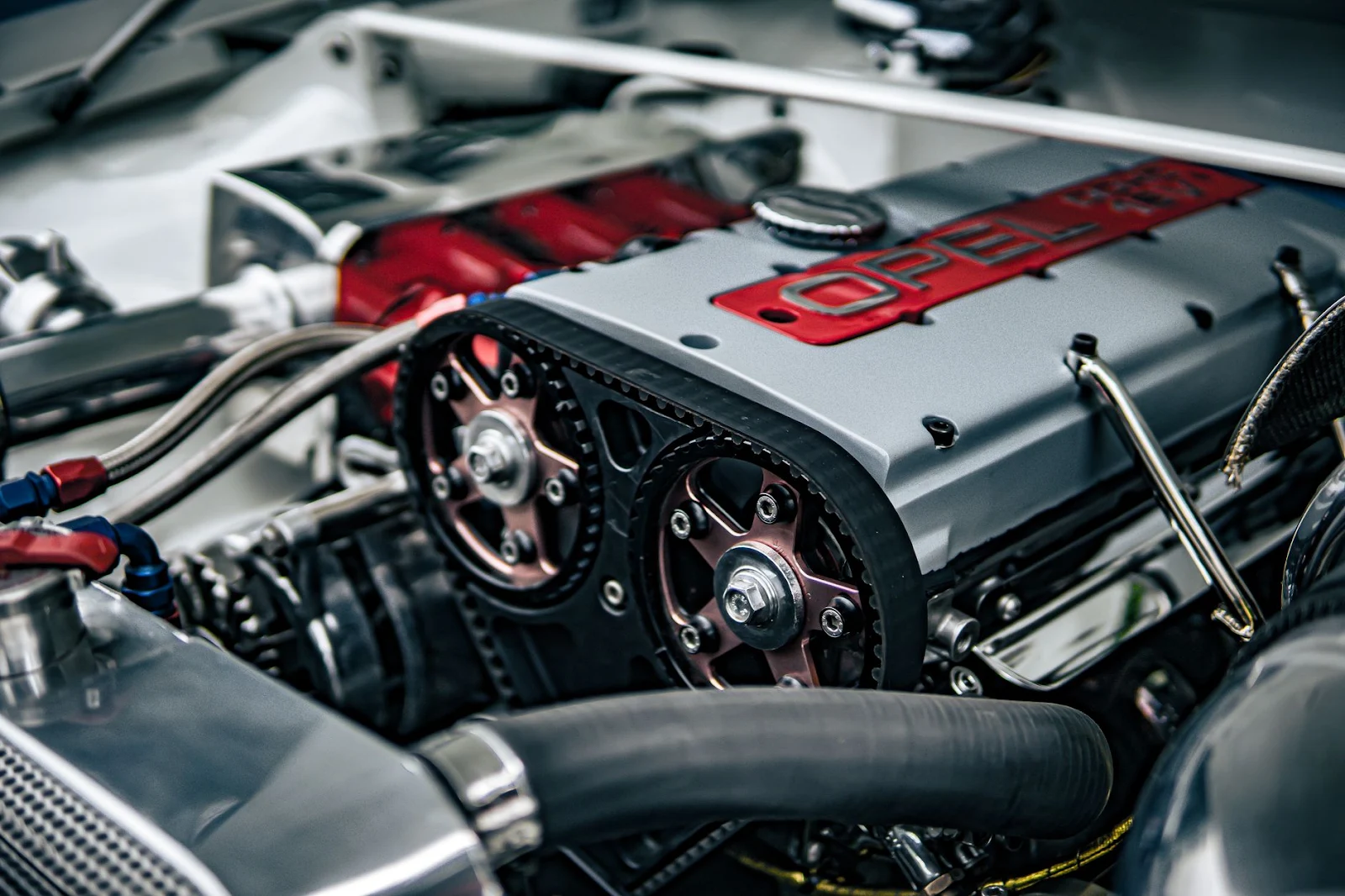
The root of the trouble lies in a deceptively simple engineering choice. The 1.2 PureTech uses a wet timing belt, a rubber component that runs submerged in hot engine oil. Over time, the heat and oil chemistry degrade the belt material, causing it to shed tiny rubber particles. Those particles mix with the oil and circulate through the engine, reaching the tight, millimeter-clearance spaces between moving parts. The result is a slow contamination that no regular oil change can fully flush out, leading to catastrophic engine failure down the road.
Peugeot, the brand most associated with this engine, launched multiple recall campaigns to replace the original belt with a revised part. According to the original account, those replacements only delayed the inevitable, many cars continued to degrade after the swap. The problem became so entrenched that by 2023, Peugeot switched the non-hybrid 1.2 PureTech to a timing chain. But the hybrid versions still use the wet belt, meaning hundreds of thousands of cars on the road today carry the same vulnerability.
Why the 1.2 PureTech timing belt disintegrates in hot oil
The 1.2 PureTech timing belt crumbles because it runs submerged in hot engine oil, a design choice that slowly destroys the belt from the inside out. Unlike conventional timing belts that operate in a dry, sealed compartment, the PureTech belt is a "wet belt" that constantly bathes in the engine's lubricating oil. That oil reaches temperatures well over 100°C during normal driving, and over thousands of kilometers, the heat combined with the oil's chemical additives attacks the belt's rubber compound. The material loses its structural integrity and begins to break apart.
Once the belt starts shedding debris, those tiny rubber and fabric particles mix directly into the engine oil. The oil pump then circulates this contaminated oil through every passage in the engine, reaching components with millimeter-scale clearances, piston rings, bearings, camshaft journals, and the variable valve timing system. The debris acts like fine sandpaper, accelerating wear on these precisely machined surfaces. This is not a problem that regular oil changes can fix; the contamination is continuous as long as the belt keeps degrading. Stellantis has confirmed this root cause: the wet belt running in hot oil is the fundamental design flaw behind the widespread failures.
Repairs, recalls, and the fight to fix a flawed design
When the 1.2 PureTech engine first hit the market, it is not known if PSA Group anticipated the belt degradation that would later become its defining flaw; no official records confirm either way. The original maintenance schedule treated the timing belt like any other component, with replacement intervals set to a standard timetable. But the wet belt, constantly bathed in hot engine oil, began shedding rubber debris around the 50,000 to 60,000 kilometer mark, typically five to six years into a car's life. That debris didn't just sit harmlessly in the oil pan. It circulated through the lubrication system, reaching tight clearances between moving parts where millimeters matter.
Peugeot launched recall campaigns, replacing the original belt with a revised part. But according to the original account, this fix only delayed the inevitable. The revised belt still ran in hot oil, and degradation resumed on the same timeline. For many owners, the repair meant a full engine replacement, a cost that could hit 20,000 to 25,000 Turkish lira. After 2023, Peugeot switched non-hybrid versions of the 1.2 PureTech to a timing chain. But here's the catch: the hybrid version still uses a wet belt, contrary to some reports that claimed a chain was used across the board.
What this means for owners in Europe and Turkey
European owners of vehicles with the 1.2 PureTech engine can now submit claims for compensation through a dedicated online platform set up by Stellantis. The Stellantis 1.2 PureTech timing belt compensation program covers repairs performed between January 1, 2022, and December 31, 2024, including both parts and labor costs. The warranty has been extended to 10 years or 180,000 kilometers, whichever comes first.
For Turkish owners, the situation remains uncertain. As of the latest information, Stellantis has not made an official statement extending this program to Turkey. No dedicated claims platform has been announced for the Turkish market. Owners who have already paid out of pocket for repairs, reportedly ranging from 20,000 to 25,000 Turkish Lira for a replacement, are left waiting. That figure, roughly equivalent to a significant portion of a used car's value in Turkey, underscores the financial sting many have felt.
The gap between European and Turkish treatment is stark. In Europe, the company has acknowledged the problem and offered a structured path to reimbursement. In Turkey, owners are left to navigate the same defective wet timing belt issue without clear recourse. The replacement cost cited at 20,000-25,000 TL reflects the severity of the repair, often involving engine disassembly and parts replacement. Until an official announcement comes, Turkish owners face a frustrating wait, hoping the compensation model applied in Europe eventually reaches their shores.
FAQ: What you need to know about the Stellantis 1.2 PureTech timing belt compensation
What is the 1.2 PureTech timing belt problem?
The 1.2 PureTech engine uses a wet timing belt that runs in hot engine oil. Over time, the heat and oil chemistry cause the belt to degrade and shed rubber debris throughout the engine. This contamination clogs oil passages, restricts lubrication to moving parts, and can lead to catastrophic engine failure if left unaddressed.
Why does the engine consume excessive oil?
As the timing belt sheds debris, those rubber particles travel through the oil system and clog narrow oil passages. They block the oil control rings on pistons and restrict flow to critical components like the turbocharger and camshaft bearings. When oil can't reach these parts properly, the engine burns more oil than normal, sometimes consuming a quart every 500 miles.
How does belt debris damage the engine?
The rubber particles contaminate the entire lubrication system. They get trapped between moving parts that have only millimeter-wide clearances, acting like sandpaper on bearings, piston rings, and cylinder walls. This abrasive wear accelerates over time, eventually causing scoring, seizure, or complete engine failure. Even regular oil changes cannot fully remove the embedded debris.
Who is eligible in Europe?
Stellantis officially covers owners whose vehicles received repairs between January 1, 2022, and December 31, 2024. The program, called "Peace and Serenity," extends the warranty to 10 years or 180,000 km and reimburses both parts and labor costs. A dedicated online claims platform has been established for European customers to submit their requests.
Was the issue fixed in newer models?
No. Post-2023 non-hybrid 1.2 PureTech engines switched to a timing chain, which eliminates the wet belt problem entirely. However, the hybrid version of the same engine still uses the wet timing belt design. So if you buy a new hybrid 1.2 PureTech today, the same belt degradation risk remains.
What about Turkey?
Stellantis has not made any official announcement extending the European compensation program to Turkey. As of now, Turkish owners who experienced belt-related failures have no confirmed path to reimbursement or warranty extension. The situation remains unresolved, though customer pressure and ongoing discussions may eventually lead to a local solution.
Editor's note: Facts in this piece are drawn from confirmed announcements; any unverified details are presented as such.
What are your thoughts on this topic?
Every article is an open conversation. Whether you have a counter-argument, a local example, or a different perspective based on your own experience, your contribution makes this space better.
0 Comments